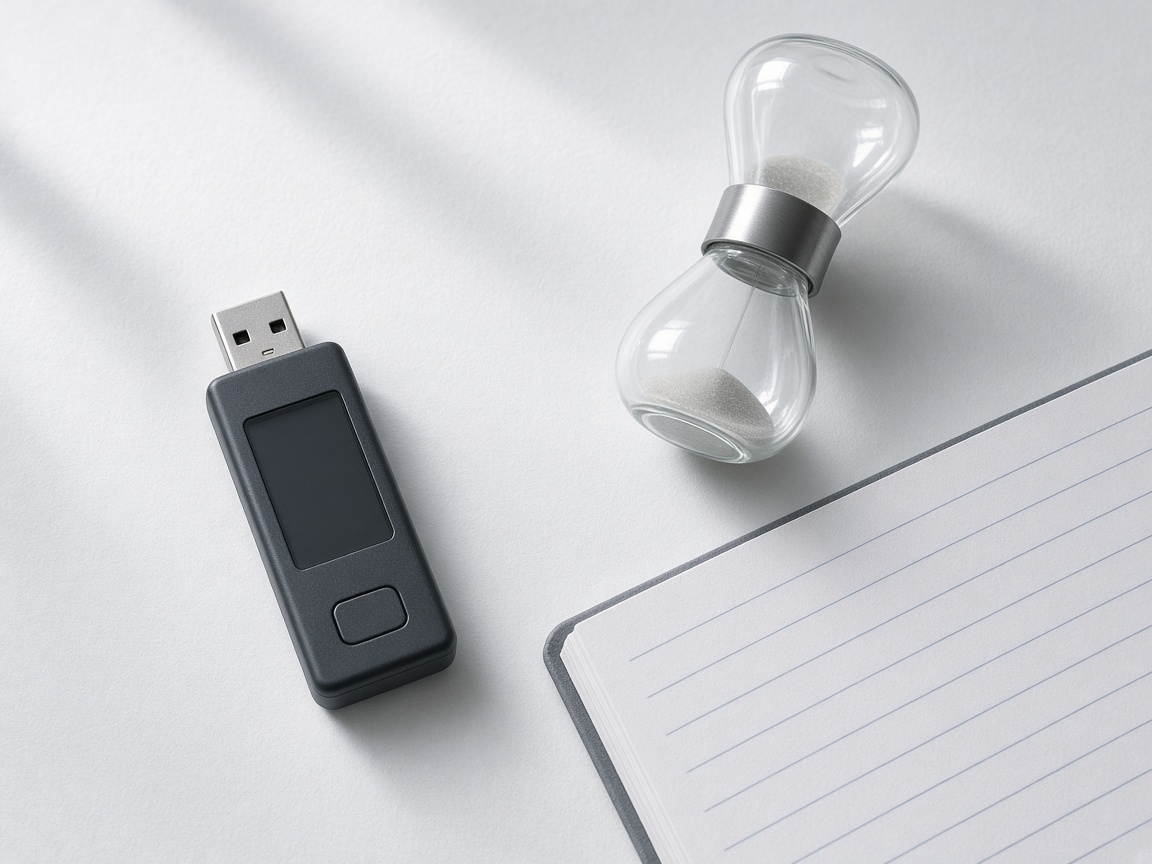
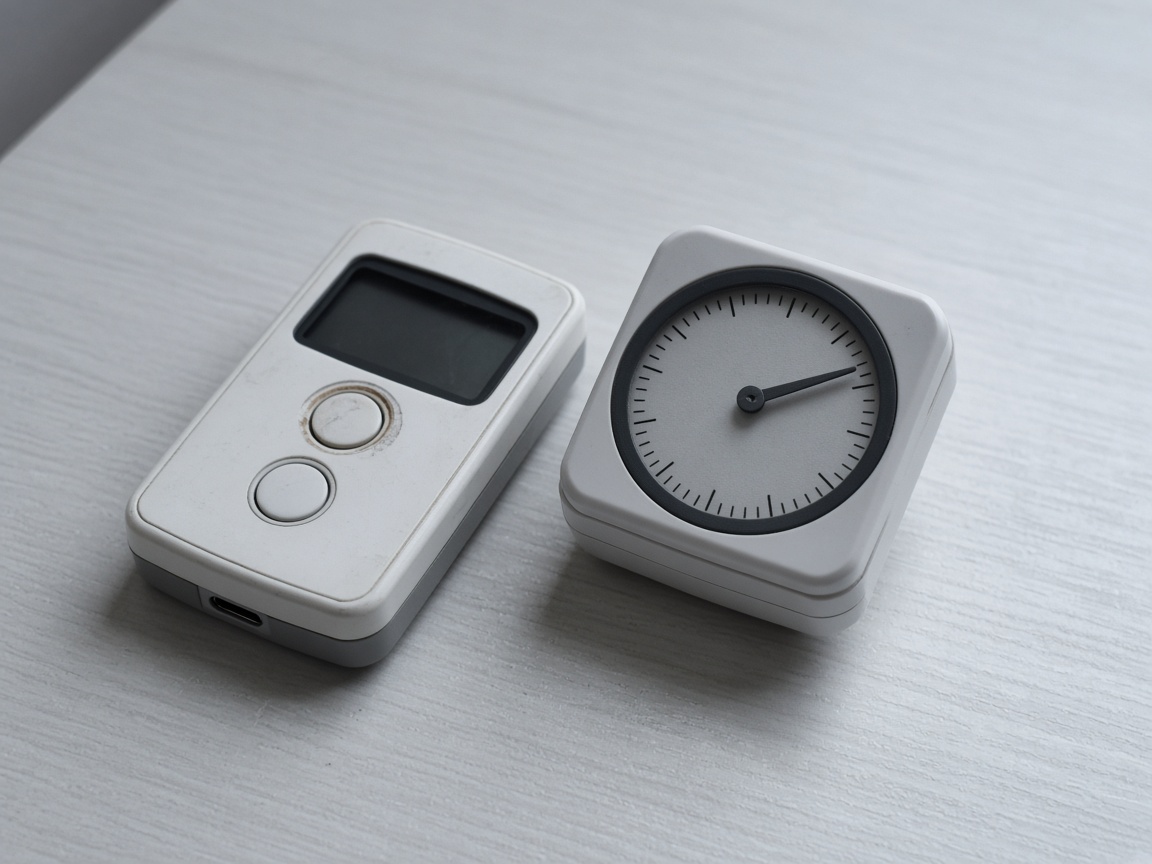
GuideGxP separates control, representative-product and diagnostic probes. High Speed Training measures food at the thickest part, not the cabinet gauge. NHS SPS treats an air sensor as an early warning. A short door spike on an air logger is not a finding that the food or the medicine left its limit.
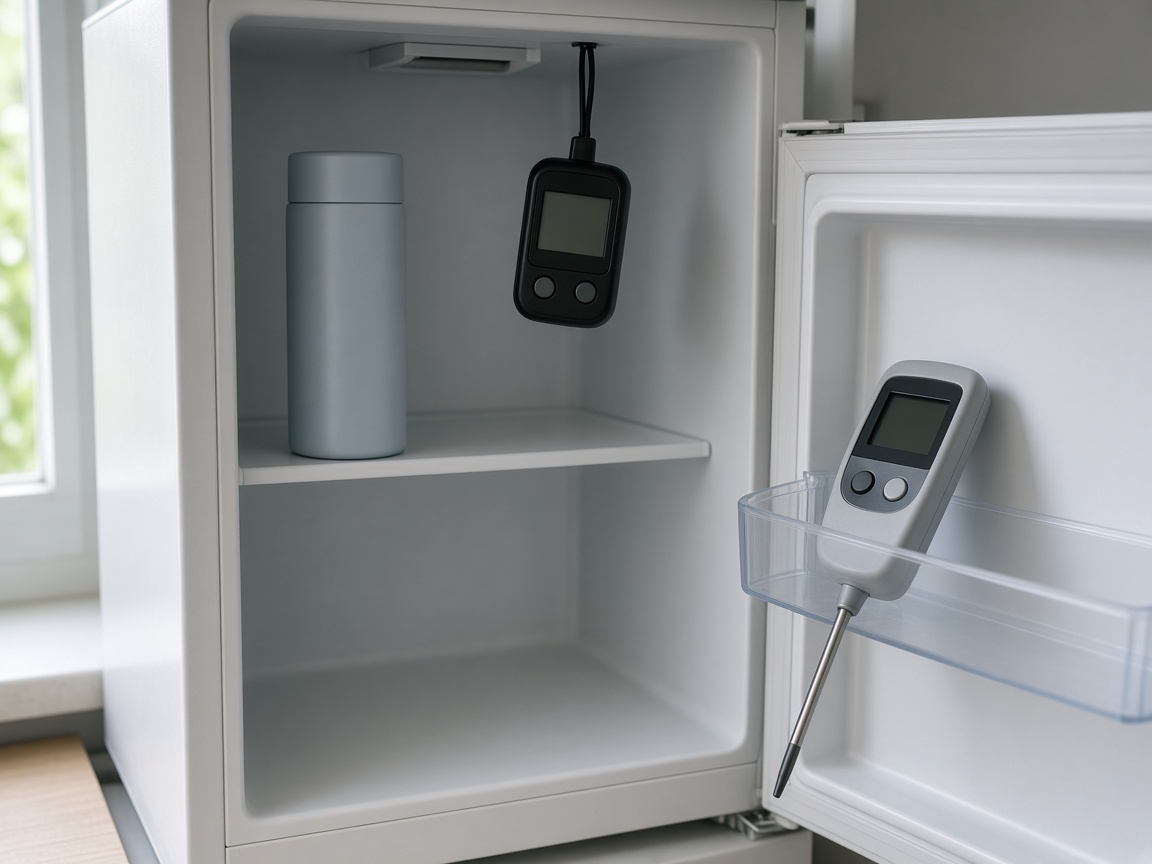
Why are air, a simulant and a hand probe three quantities?
Cabinet air moves quickly when the door opens. A bottle of water or a buffered probe moves more slowly. A hand probe in the thickest part of a food item is a different object again. GuideGxP writes that an air probe is not the load unless a comparison has been done. High Speed Training tells kitchen staff to avoid bone, fat and the equipment surface.
NHS SPS treats the air sensor as a warning, then uses a continuous logger to see how long a medicines store was outside its limit.
Why is a door spike not, by itself, a release decision?
SPS’s excursion page is about duration outside a stated medicines-storage limit. It is not a kitchen HACCP form. GuideGxP’s hypothetical wireless probe that later recovered every point, while the duty phone stayed silent, is there to separate a complete file from a timely alarm. Neither source converts a 30-second door opening into “the product failed”.
High Speed Training’s fridge sheet is a spot check: statutory chilled maximum 8 °C in England, suggested practice ≤5 °C, with a corrective-action column. A daily mark on that sheet is not a 5-minute USB curve, and the USB curve is not that sheet.
What has this publication not recorded side by side?
No air logger, food simulant and hand probe have been run side by side in a fridge for these pages. An original note that reports those three placements would need the placements, a 30-second door opening, a 3-minute door opening, and the raw files. The only claim on this page is the distinction the sources already make.
Which sources does this note use, and what do they not prove?
Sources checked on 23 September 2026. Numbered references point to the original publishers. Their sample measurements are not Temp Logger UK measurements. Manufacturer, training and official material is identified separately. A shop catalogue sentence can name a model, but it does not establish the columns, the clock or a pass. This publication has not tested or certified any instrument in this note.
- GuideGxP, Cold chain monitoring: sensors, loggers and data integrity ↗21 September 2026. Air versus buffered versus product probes; timezone and daylight-saving time; missing values must not be drawn as continuity; a complete record is not a timely alarm. Cites EU GDP 2013/C 343/01. UK pages on this site cite MHRA and NHS SPS instead of restating those EU clauses as UK duties. The publisher also sells templates and courses.
- High Speed Training Hub, Core temperature of food ↗Tash Blythe, 5 May 2021. Thickest-part probe placement; England time–temperature combinations; Scotland 82 °C; ice/boil field check. Free PDF log sheet. Course upsell is present. Not a USB-logger tutorial.
- High Speed Training Hub, Temperature log sheets for busy kitchens ↗Liz Burton-Hughes, 27 March 2019. England chilled food statutory maximum 8 °C, suggested practice ≤5 °C; freezer industry practice −18 °C; FSA at-least-once-daily fridge check; corrective-action and supervisor fields.
- NHS Specialist Pharmacy Service, Using temperature sensors in medicines storage areas ↗Medicines storage, not kitchen HACCP. Distinguishes min/max from a continuous logger; treats an air sensor as an early warning; gives a 5-minute × 6-month illustration. Official professional guidance.
- NHS Specialist Pharmacy Service, Managing temperature excursions ↗Companion SPS page on how long a storage area was outside its limit. Not a food-operator pack.
No instrument in this note has been tested or certified by this publication. Evidence policy · Corrections
Write the conditions beside the reading.
The CSV has column headings and one empty row. It contains no fabricated sample readings.
Download temperature-log record ↓